

VW CC Water Pump Failure Guide (2009–2017) – Symptoms, Fixes & Replacement Parts


VW CC Water Pump Issues: What You Need to Know
The Volkswagen CC, produced from 2009 to 2017, is a sleek four-door coupe that blends premium styling with everyday drivability. Most VW CC models are powered by a 2.0T turbocharged four-cylinder engine, though some variants came with the VR6. The 2.0T engines used in the CC are similar to those in other VW models of the same era but may have different water pump designs depending on the production year and engine variant. It’s important to reference model-specific information to ensure you get the correct replacement parts.
A key component in the CC’s cooling system is the water pump, responsible for circulating coolant throughout the engine to regulate temperature and prevent overheating. In this article, we’ll go over common water pump issues in the VW CC, warning signs to look out for, and tips to help prevent costly failures. Like other 2.0T-equipped VWs, the CC can develop coolant leaks or temperature faults if the water pump begins to fail.
2.0T VW CC Water Pump Problems – 2009–2017
The 2.0T CC uses the TSI engine, also found in many other VW/Audi models in this year range. These engines use a water pump and thermostat housing that are bolted to the front of the engine block.
There are two different TSI engines used in these models, which can be determined by the engine code (found on a sticker on the upper timing cover). These engine codes may use different water pumps, so be sure to verify you have the correct one when ordering (we can check via your VIN). When these water pumps fail, they typically develop leaks and can potentially trigger a check engine light if the thermostat built into the housing has issues.
2 Different Water Pumps
There are two different 2.0T TSI engines in VW CC models. The most common engine code is CCTA, which can be found on the label on your upper timing cover. The less common is the CBFA engine code. This version has secondary air injection, and in some models, CBFA engine code cars use a different water pump.
You can locate the same label on your upper timing cover or determine if your car has secondary air injection. If you have secondary air, your car will have an additional air pipe attached to the lower side of the airbox that runs to an electric pump at the front of the engine.
- If you are unsure which version is right for your car, email us with your VIN and we can help.
- Water Pump Kit for CCTA/CBFA Engine Code – Single Sensor
- Water Pump for CBFA Engine Code – Dual Sensor
2009 2.0T CC Water Pump Kit (Metal) – for CCTA Engine Code
2010 2.0T CC Water Pump Kit (Metal) – for CCTA Engine Code
2011 2.0T CC Water Pump Kit (Metal) – for CCTA Engine Code
2012 2.0T CC Water Pump Kit (Metal) – for CCTA Engine Code
2013 2.0T CC Water Pump Kit (Metal) – for CCTA Engine Code
2014 2.0T CC Water Pump Kit (Metal) – for CCTA Engine Code
2015 2.0T CC Water Pump Kit (Metal) – for CCTA Engine Code
2016 2.0T CC Water Pump Kit (Metal) – for CCTA Engine Code
2017 2.0T CC Water Pump Kit (Metal) – for CCTA Engine Code
2.0T VW CC Water Pump Issues
The water pump on the 2.0T engine is located at the front of the engine block, behind the intake manifold. To inspect the water pump visually, you’ll need to remove the lower engine shield and follow the radiator hoses upward to locate the water pump and thermostat housing. The CC's water pump is bolted to the front of the engine and features an integrated thermostat housing, which can be prone to leaks over time. The thermostat itself regulates coolant flow, but it is usually not the main failure point.
Most commonly, you will see a leak between the thermostat/water pump housing and the engine block. This is often caused by oil leaking down the front of the engine block, compromising the thermostat housing gasket. The gasket absorbs oil over time, causing it to swell. This can crack the plastic housing or cause the gasket to fail. It is important to fix your oil leak, or it’s possible this will happen again.
- Coolant Leaks
The most common issue with the 2009–2017 CC water pump stems from leaks, particularly where the thermostat housing connects to the engine block or where the water pump joins the thermostat. You should replace the water pump and thermostat housing to address this, but be sure you do not have oil leaking onto your thermostat housing, as it can cause another premature failure. - Fault Codes
Although leaks are more frequent, a water pump failure can also lead to a check engine light or fault codes linked to the thermostat housing. One common fault code is:
- P2181 – Performance Malfunction in Cooling System
- Overheating/Staying Cold
Overheating due to a water pump issue is relatively rare with the 2.0T TSI CC engine. The more common failure is the car not warming up. This occurs when the thermostat is stuck open, making it difficult for your engine to reach operating temperature (especially when it’s cold outside).
During rare failures, a thermostat can get stuck closed, creating an overheating condition. If the temperature gauge rises above the normal range, it’s crucial to stop driving immediately to avoid engine damage.
Replacing Your 2.0T TSI CC Water Pump
If you are an experienced DIYer, replacing your CC’s water pump may be feasible. To access the pump, you will need to remove the intake manifold. During replacement, it is best to replace the thermostat housing, water pump, and any coolant hoses or seals associated with the system. The work may also involve replacing the serpentine belt and related components, but this belt does not have a specific replacement interval.
- DIY Video Resource: We do not have a dedicated DIY on replacing the water pump on a 2.0T TSI engine. However, we do have a video showing how to remove the intake manifold, which is the most difficult part of this job. This will give you full access to replace your water pump.
- While you're in there: When the intake manifold is removed on your 2.0T TSI engine, we recommend performing a carbon cleaning. This is a known issue on this engine, and you will have full access to the intake valves, making the job much easier. We have details about carbon cleaning in the video linked below.
How to remove your VW CC Intake manifold - Video
How to perform a Carbon Cleaning - VIDEO
2.0T VW CC Parts – 2009–2017
- Water Pump Kit for CCTA/CBFA Engine Code – Single Sensor
- Water Pump for CBFA Engine Code – Dual Sensor
- Install/Carbon Cleaning Kit
3.6L VR6 VW CC Water Pump Problems – 2009–2017
The water pump on the 3.6L VR6-powered VW CC is located on the passenger side of the engine and is driven by the serpentine belt. If you pop the hood and stand on the passenger side, you can look down toward the serpentine belt to spot the water pump pulley—it sits just behind the alternator and uses a three-bolt pulley design.
3.6L CC Coolant Leaks
The most common issue with the 3.6L VR6 water pump in the CC is coolant leaks. These usually originate from the pump itself. In many cases, internal bearing wear leads to a leak around the pump’s drive shaft. Whether it’s a slow seep or a noticeable drip, coolant loss is a clear sign that the water pump is on its way out.
3.6L CC Overheating
While overheating can occur if the water pump fails completely or if the vehicle is run low on coolant, this isn’t the most typical failure mode. Still, it’s critical to stop driving immediately if the temperature gauge rises above normal operating range to avoid engine damage.
3.6L CC Fault Codes & Symptoms
The VW CC with the VR6 engine usually will not throw specific fault codes for a failing water pump. However, you may see a low coolant warning on the dash or find a puddle forming under the passenger side of the engine bay. These are key signs to watch for.
How to Replace Your 3.6L VR6 CC Water Pump
Replacing the water pump on the 3.6L VR6 in the CC isn’t especially difficult for a DIYer with the right tools and mechanical experience. Here’s a basic overview of what the job entails:
- Drain the coolant
- Remove the serpentine belt
- Support the engine with a floor jack
- Remove the engine mount
- Raise the engine to gain better access
- Remove the old water pump
- Install the new pump and reassemble in reverse order
3.6L VR6 VW CC Parts – 2009–2017
Wrap-Up: Stay Ahead of VW CC Water Pump Problems
Whether your VW CC is powered by the 2.0T TSI or the 3.6L VR6, water pump failure is a known issue that can lead to coolant leaks, engine temperature problems, and even check engine lights. Catching the signs early—like coolant loss, fault codes, or inconsistent heating—can save you from more costly repairs down the road. Always verify your engine code (CCTA or CBFA) before ordering replacement parts, and consider tackling related maintenance like carbon cleaning while you're in there. If you need help identifying the right parts or want guidance on replacement, our team is here to help—just shoot us a message with your VIN.
About the Author

Related Products
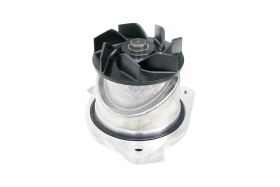
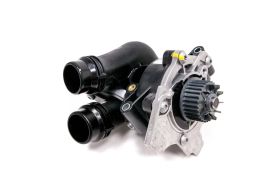

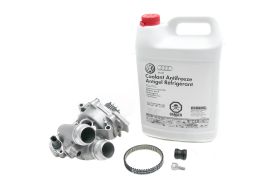
Aluminum Water Pump Kit | VW/Audi 2.0T TSI (EA888)
From $1.35 Regular Price $1.54
To $274.93 Regular Price $290.63



Audi 2.0t TSI Engine Common Problems
2018-03-15


Warehouse Associate - Cornelius NC
2026-05-19


Comments
Hi a have 2014 Volkswagen CC Sport 2.0L 4 Cyl GAS
CCTA Turbo charged
VIN: WVWBP7AN4EE534278. How many quarters need to my car. Thanks
Ineed the car